Faith and Manifestation: Can They Work Together?
A respectful look at where prayer and manifestation agree, where they part ways, and how people of faith can use intention practices with a clear conscience.

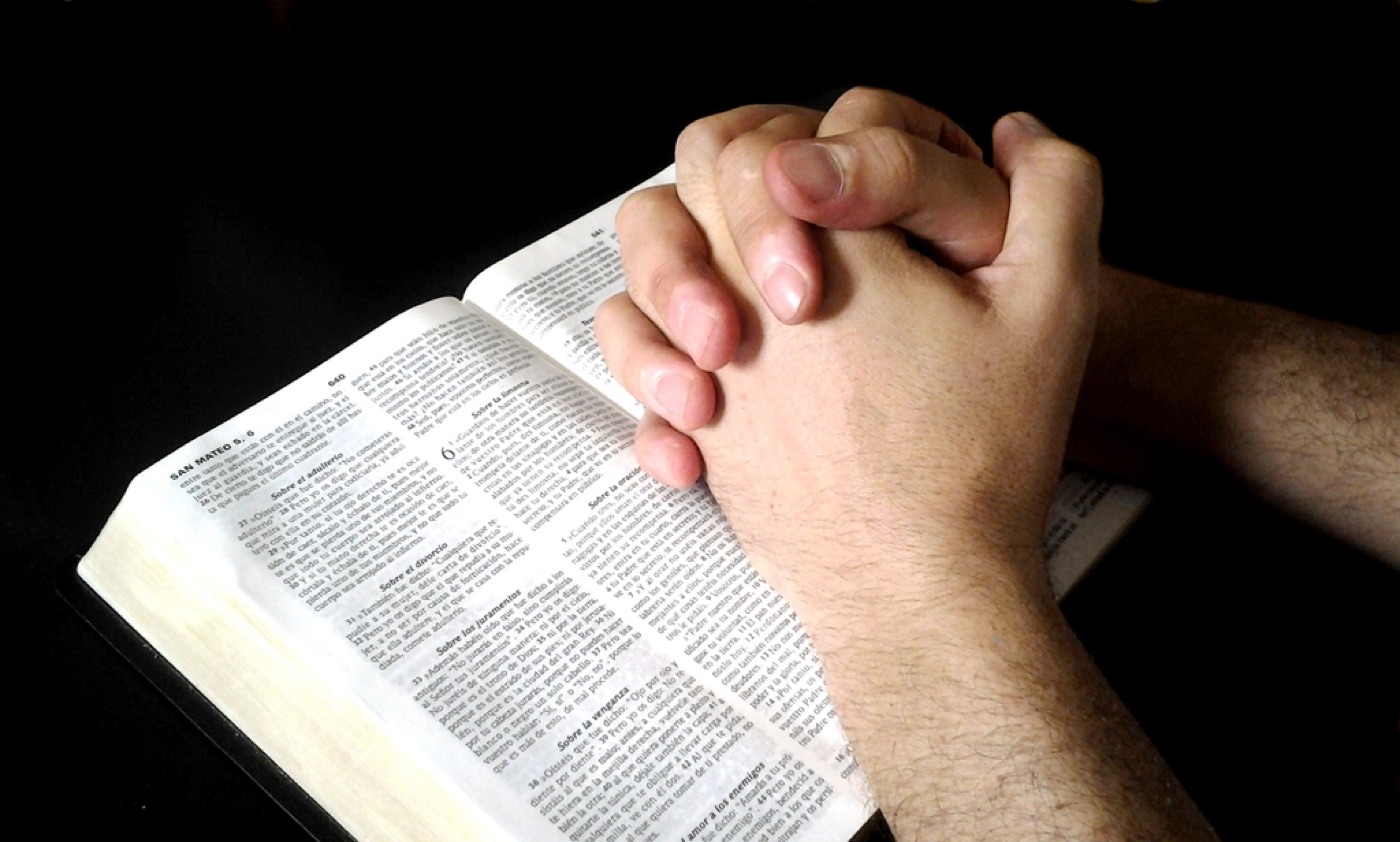
Photo: mpardo.photo / flickr (CC0)
If you pray, you may have felt a quiet tension the first time you heard about manifestation. Some of it sounds like faith with new words. Some of it sounds like putting yourself in God's place. You may have wondered whether it is fine to keep a vision board, or whether you are quietly leaving your beliefs at the door.
This guide is for people of faith who are curious, and for manifestation readers who want to understand their believing friends. We will look at where the two agree, where they truly differ, and how to keep an intention practice that respects what you believe.
One honest note before we start: this is not a theology lesson, and no one can promise you a result from either prayer or visualization. Results vary. What we can do is help you think clearly.
What people usually mean by manifestation
Strip away the glitter and most manifestation teaching comes down to four moves. You decide clearly what you want. You picture it and feel it as if it were already here. You keep your attention on it with affirmations, journaling or a vision board. And you act on the opportunities you start to notice.
Some teachers add a bigger claim: that your thoughts send out a vibration and the universe matches it. There is no scientific evidence for that part. What is plainly true is that people who know what they want and keep looking for it tend to notice more doors. That is the part worth keeping, whatever you believe about the rest.
If you want the full picture of the practice, our guide on how to manifest money walks through it from the beginning.
Where faith and manifestation agree
More than you might think. Here are the places where a believer and a manifestation teacher would nod at the same sentence.
Gratitude. Nearly every faith tradition treats thankfulness as a daily duty and a source of joy. Manifestation teachers say the same thing in different language. A daily gratitude practice fits comfortably inside a life of prayer.
Asking clearly. The Bible is full of people asking God for specific things, and it includes the well-known invitation to ask, seek and knock. Clarity of desire is not foreign to faith. Prayer has always involved naming what you need.
Hope and expectation. Faith is often described as confidence in things not yet seen. Manifestation asks you to hold a picture of a good future and expect it. The feeling is similar, even when the reasons behind it are not.
Words matter. Many religious traditions teach that speech has weight, that blessing and cursing shape a home, and that you should guard your tongue. Affirmations are a modern cousin of that old idea.
Action. "Faith without works" is a familiar warning. The best manifestation teachers also say that visualization without action is just daydreaming. Both paths expect you to get up and do something.
Where they truly differ
This is where honesty matters, because pretending there is no difference does not serve anyone.
The source of power. In most manifestation teaching, you are the creator. Your thoughts and feelings are the engine. In Christian, Jewish and Muslim understanding, God is the creator, and you are a steward, a child, a servant. That is not a small difference. It changes who you thank, who you ask, and who gets the credit.
Surrender versus command. The Lord's Prayer includes "your will be done". Many believers end prayers with "if it is your will". Manifestation often teaches the opposite: decide, declare and do not entertain doubt. A person of faith can hold a desire firmly and still release the outcome. Many find that release is the most peaceful part of prayer.
What suffering means. Some manifestation content suggests that hardship comes from low vibration or negative thinking. Most faiths reject that idea firmly. Scripture is full of faithful people who suffered. Blaming yourself for every hard season is not spiritual maturity; it is a trap. Our article on manifestation mistakes lists this as one of the most harmful.
Desire itself. Manifestation treats your desires as a compass. Faith traditions ask you to examine them. Is this want good for me, for others, for my character? That question is a gift, not a limit.
How other traditions see it
Christianity is not the only faith that wrestles with this. In Islam, the idea of tawakkul describes trusting God with the outcome while doing your part. In Jewish thought, hishtadlut means making a sincere human effort and leaving the rest to God. Buddhism speaks of right intention and warns against craving. Hindu practice includes sankalpa, a deliberate resolve set before meditation or yoga.
The pattern is striking. Nearly every tradition says: be clear, make the effort, and hold the result lightly. Manifestation agrees with the first two and often struggles with the third.
A respectful way to blend the two
If you want to use intention practices without feeling you have wandered from your faith, these guidelines help.
Start with prayer, not a wish list. Ask for guidance about what to want before you ask for the thing itself. Then write your intention in the form you are comfortable with. Some people use the format from our prayers for abundance guide; others simply write a sentence and end it with "according to your will".
Treat visualization as hope with a picture. Imagining a paid-off debt or a peaceful home is not idolatry. It is letting yourself hope in detail. Keep God in the picture, and let the picture change if your sense of direction changes.
Keep gratitude at the center. If a practice makes you more thankful, more generous and more patient, it is bearing good fruit. If it makes you anxious, entitled or obsessed, step back.
Act like a steward. Whatever you believe about the mechanism, the next step is nearly always ordinary: make the call, learn the skill, fix the budget, apologize. Faith and manifestation both reward people who move.
Common pitfalls for people of faith
Watch for the prosperity trap, where blessing is measured in dollars and poverty is treated as a sign of weak faith. That teaching has caused real harm in churches and in manifestation circles alike.
Watch for bargaining, where you promise God a behavior in exchange for a result. Prayer is a relationship, not a vending machine.
And watch for secrecy. If you feel you have to hide your vision board from your faith community, ask yourself why. Sometimes the answer is that your community is narrow. Sometimes it is that the practice has drifted somewhere you do not want to go.
Try this
A 10-minute prayer-and-intention practice
- Sit quietly and give thanks for three specific things from the last day. Say them out loud.
- Ask for guidance about one area of your life where you feel stuck. Sit in silence for two minutes and notice what comes.
- Write one clear sentence describing the good outcome you hope for.
- Picture that outcome for a minute, including how you would behave and who you would help.
- Close by releasing it: "I have asked, I will act, and I trust you with the rest."
- Write down one concrete action you will take today.
Keep going
Faith and manifestation are not enemies, but they are not twins either. Keep the parts that make you clearer, more thankful and more active. Release the parts that put you on a throne that was never yours.
If you would like words to start with, our prayers for abundance are written to be used as they are or adapted. If you prefer to write your own, scripting your dream life shows a journaling format many believers adjust to include prayer. And if you are new to all of this, our beginner guide on how to manifest money gives the practical foundation.
Questions people ask
Is manifestation a sin?
That depends on your tradition and how you practice. Most faith leaders are untroubled by gratitude, clear goals and hopeful imagination. Concerns usually arise when a practice claims you control reality alone or replaces God with "the universe". Ask someone you trust in your community if you are unsure.
Can I use a vision board as a Christian?
Many do. A vision board is a set of pictures of hopes. Some people add a verse or a prayer to the board as a reminder that the outcome is not theirs to command.
Is the law of attraction in the Bible?
No. The Bible speaks about faith, asking, sowing and reaping, and the power of words, but it does not teach that thoughts emit vibrations that attract matching events. Manifestation teachers sometimes borrow verses, but the mechanism they describe is a modern idea.
What if I pray and visualize and nothing happens?
Results vary with both prayer and manifestation, and no honest teacher promises otherwise. Keep acting, keep thanking, and look at whether the goal itself needs to change. Unanswered prayers are part of every faith story.
Lunar Quill editorial team
We write about manifestation the way we would explain it to a friend: what the tradition says, what is actually known, and what to try tonight. No invented studies, no success stories we cannot verify, no promises.
Manifestation is a mindset practice, not a guarantee. Results vary from person to person and depend on what you actually do next. Nothing here is medical, psychological or financial advice. See the disclaimer.