Manifestation Meditation for Beginners
New to meditation? Learn how a manifestation meditation differs from a regular sit, then follow a written ten-minute script you can use tonight.
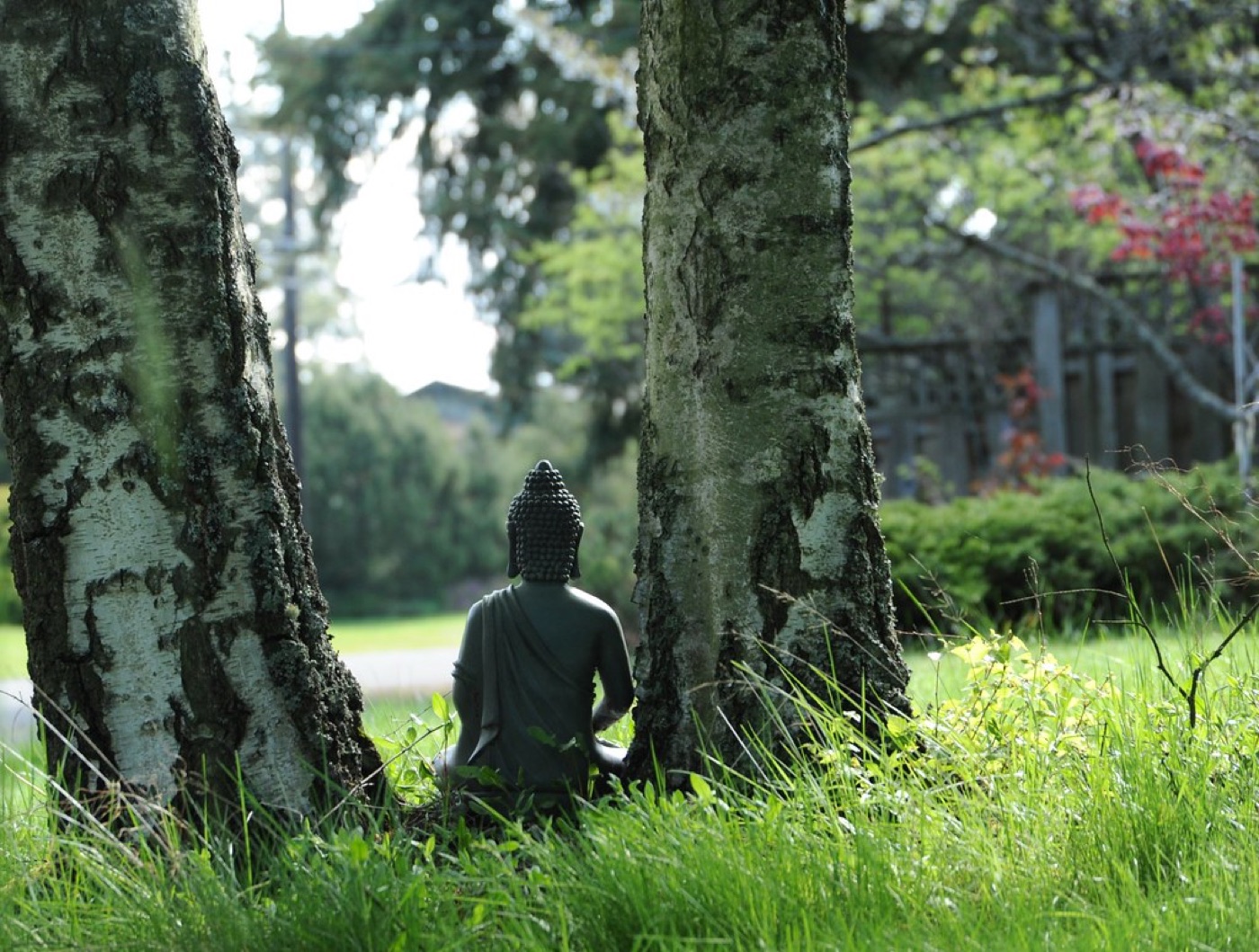
Photo: Wonderlane / flickr (CC0)
You have heard that meditation helps with manifesting, so you sat down, closed your eyes, and spent ten minutes thinking about your to-do list. That is a normal first attempt. Nobody is good at this on day one.
This guide explains what a manifestation meditation actually is, how it differs from plain mindfulness, how to set up a session, and the mistakes that make beginners quit. At the center is a written ten-minute script. Read it a few times, then guide yourself through it, or record it in your own voice.
One honest frame before we begin. Meditation is a mind-and-attention practice. Many people find it calming and clarifying; there is no scientific evidence that it causes outside events, and it is not a substitute for medical or mental-health care. Results vary.
What a manifestation meditation is
Plain mindfulness meditation asks you to rest attention on something neutral, usually the breath, and return to it whenever the mind wanders. It is about presence, not goals.
A manifestation meditation keeps that calm foundation and then adds a second phase: a brief, vivid, felt picture of a goal as already real. You breathe, settle, and then spend a few minutes inside a scene, with attention on how it feels. Then you let the scene go and come back.
Believers say this "impresses" the goal on the subconscious. In plain language, it is rehearsal. You practice the feeling of having what you want in a quiet state where the feeling is easy to reach. Some people pair it with slow, drowsy brain states; our guide to theta waves explains the idea behind that.
Setting up a session
Time. Ten minutes. Set a gentle timer so you are not checking the clock. Morning and bedtime are popular because the mind is already soft; the drowsy version is covered in the SATS method.
Place. Anywhere you will not be interrupted. A chair is fine. Lying down is fine if you will not fall asleep, and acceptable if you are using it as a bedtime practice.
Posture. Spine comfortably upright, hands resting, jaw loose. Eyes closed or half closed.
Sound. Silence is best for beginners. If you like background sound, choose something steady with no words. Some people enjoy a tone like 528 Hz; our 528 Hz guide sets honest expectations for that.
Intention. Before you begin, choose one scene from one goal. Not the whole dream, just a moment in it.
The 10-minute script
Read this through twice, then guide yourself from memory, or record it on your phone at a slow pace with pauses. Each section is roughly timed.
Minutes 0–2: Arrive. Settle into your seat. Let your eyes close. Take a slow breath in through the nose, and a longer breath out through the mouth. Again. And once more. Now let the breath go back to normal. Feel the weight of your body on the chair. Feel your feet on the floor. There is nowhere else you need to be for the next ten minutes.
Minutes 2–4: Settle. Bring your attention to the breath at the nose. Cool air in, warm air out. When a thought comes, and it will, notice it like a cloud passing, and come back to the breath. No judgment. Each return is the practice working. Let the shoulders drop. Let the face soften. Let the belly be easy.
Minutes 4–5: Gratitude. Bring to mind one thing in your life right now that you are glad about. Something small and real. Let yourself feel the warmth of it in the chest for a few breaths. This is the feeling we will carry forward.
Minutes 5–8: The scene. Now let a scene from the life you are moving toward appear, as if it is already happening. See where you are. Notice the light. Notice what you can hear. Notice what your hands are touching. Let yourself be inside it, not watching from outside. Most of all, notice how it feels: calm, proud, safe, free. Let that feeling grow a little with each breath. If the picture fades, that is fine; stay with the feeling. If doubt comes, let it pass like the other thoughts, and return to the scene.
Minutes 8–9: Release. Say silently, "Thank you. It is done." Let the scene dissolve gently, the way a dream does on waking. You do not need to hold onto it. The feeling stays with you.
Minutes 9–10: Return. Come back to the breath. Feel the chair, the feet, the room. Wiggle your fingers. Take one deeper breath. When you are ready, open your eyes. Carry the feeling into the next thing you do.
That is the whole practice. It will feel clumsy the first few times. By the second week, the sections tend to flow into one another.
What to expect
The first few sessions, expect restlessness and a mind full of errands. Expect to lose the scene after a few seconds and have to rebuild it. All of this is normal and does not mean you are doing it wrong.
After a week or two, many people report that the calm comes faster and the scene feels more natural. Some notice a lighter mood through the day. What you should not expect is the goal arriving because you sat for ten minutes; the meditation changes your state and your attention, and you still do the walking.
Common beginner mistakes
- Starting with the picture. Without the calm, visualization is just daydreaming with your eyes closed. Give the breath its two minutes.
- Forcing the image. Some people see clear pictures; many do not. Feeling is the point. A vague picture with a strong feeling is a good session.
- Fighting thoughts. Every thought you notice and release is a rep. Fighting them adds tension.
- Changing the scene every day. Stay with one scene for a couple of weeks so it becomes familiar.
- Going long too soon. Twenty minutes on day one usually leads to zero minutes on day three.
Try this
Your first week of manifestation meditation
- Choose one scene from one goal and write it as two sentences on a card.
- Pick a fixed ten-minute slot, morning or bedtime, and set a gentle timer.
- Record the script above in your own voice, slowly, or read it twice and go from memory.
- Sit daily for seven days. Rate the calm and the feeling from 1 to 5 in a notebook after each sit.
- On day seven, read your ratings and adjust: shorter if you skipped, longer only if you wanted more.
Keep going
The gratitude minute inside the script works best if gratitude is already part of your day; our daily gratitude system builds that habit in five minutes. If mornings are your window, the 5-minute morning manifestation routine fits in front of the sit. And when you are ready for a full plan that includes meditation on set days, try the 21-day manifestation challenge.
Tonight, two minutes of breath, one real thing to be glad about, one scene. That is enough.
Questions people ask
I can't visualize pictures. Can I still do this?
Yes. Many people do not "see" images in their mind and still get a lot from the practice. Focus on sounds, touch and especially feeling. A felt scene without a picture is a complete session.
Is it better to use a guided audio or go on my own?
Guided audio is easier at first because someone else keeps time. Recording the script in your own voice is a good middle step. After a few weeks, most people can guide themselves silently.
What if I fall asleep?
If you are sitting up, shorten the session and try earlier in the day. If you are doing it in bed on purpose, falling asleep inside the scene is fine and is what some bedtime methods aim for.
How often should I meditate for manifestation?
Daily for ten minutes is the beginner sweet spot. If daily is not possible, three or four times a week still builds the habit. Consistency matters more than length.
Lunar Quill editorial team
We write about manifestation the way we would explain it to a friend: what the tradition says, what is actually known, and what to try tonight. No invented studies, no success stories we cannot verify, no promises.
Manifestation is a mindset practice, not a guarantee. Results vary from person to person and depend on what you actually do next. Nothing here is medical, psychological or financial advice. See the disclaimer.