Theta Waves Explained: The Brain State Behind Manifestation Audios
Theta waves show up when you are drowsy, dreaming or deeply relaxed. Here is what they really are, why manifestation audios target them, and how to use that state well.

Photo: JESHOOTS.com / stocksnap (CC0)
If you have ever listened to a manifestation audio, you have probably seen the word "theta" on the label. It sounds technical and a little mysterious, and the marketing around it can get dramatic: "reprogram your subconscious," "unlock the theta gateway."
This guide gives you the plain version. You will learn what theta waves are, when your brain naturally produces them, why manifestation audios are built around them, and how to work with that drowsy, open state on purpose.
As always, expectations stay honest. Theta is a real and well-described brain rhythm. The idea that a track can switch it on like a light, and that doing so makes wishes come true, is a belief rather than a proven fact. Results vary, and the practice you bring matters most.
What a brain wave actually is
Your brain cells communicate with tiny electrical signals. When millions of them fire in loose rhythm together, that rhythm can be picked up by sensors on the scalp. The recording is called an EEG, and the rhythms are grouped into bands by speed.
Here is the usual map, from slowest to fastest:
- Delta (under about 4 Hz): deep, dreamless sleep.
- Theta (about 4 to 8 Hz): drowsiness, light sleep, dreaming, deep relaxation.
- Alpha (about 8 to 12 Hz): calm, relaxed wakefulness, eyes closed.
- Beta (about 12 to 30 Hz): active thinking, problem solving, alertness, sometimes stress.
- Gamma (above about 30 Hz): fast activity linked with focused processing.
Two honest caveats. First, your brain is never in just one band; all of them are present at once, and one simply dominates. Second, these are measurements of what the brain is doing, not switches you can flip. A brain in theta is not "programmed" any more than a calm sea is.
When theta shows up naturally
You pass through theta every single day without trying. The clearest moment is the few minutes between being awake and being asleep, that floaty stretch when thoughts turn into pictures and the body feels heavy. You pass through it again on the way out of sleep in the morning.
Theta also shows up during daydreaming, during long steady tasks like driving a familiar road, and in experienced meditators during certain practices. Young children's brains show more slow-wave activity while awake than adults' do, which some people link to how vivid their imaginations seem.
Notice what these moments share: low effort, low self-criticism, strong imagery. That combination is exactly why people who practice manifestation care about theta.
Why manifestation audios chase theta
Manifestation is largely a practice of imagination and attention. You picture a life you want with enough detail and feeling that your mind begins to treat it as familiar, and familiarity changes what you notice and what you dare to do. Our guide on how the brain filters reality explains that attention piece.
Imagining is easier in a drowsy, relaxed state. The inner critic goes quiet. Pictures come freely. That is the thinking behind "theta audios": if sound can nudge you toward that state, then the affirmations or visualization you do while listening may land more deeply.
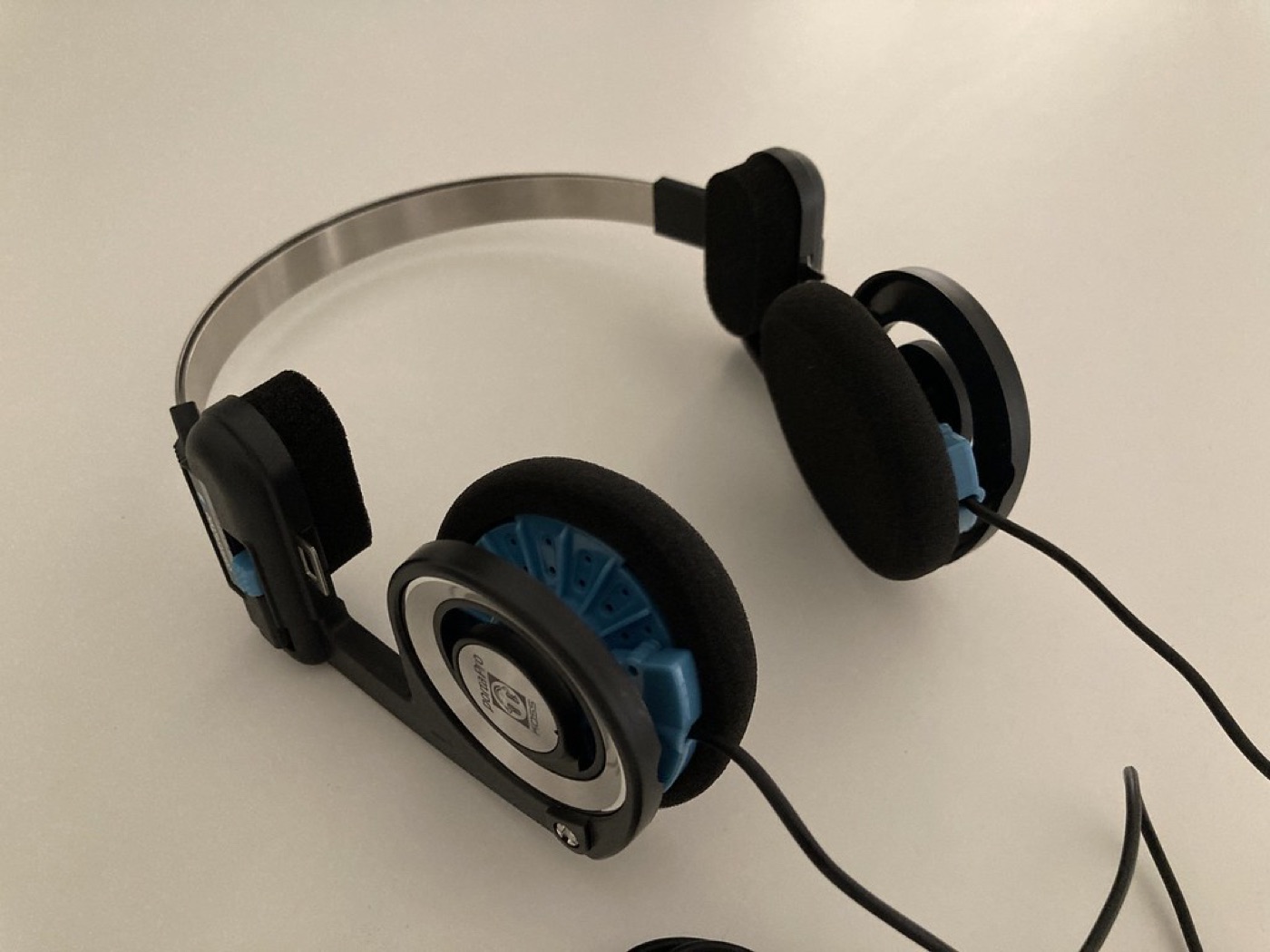
Most of these audios use one of two tools to try to shift your rhythm: binaural beats, which need headphones, or isochronic tones, which do not. We compare them in binaural beats vs isochronic tones. Many also use a pleasant carrier pitch such as 528 Hz, covered in our 528 Hz guide.
What the evidence actually says
This is where honesty matters. The idea that rhythmic sound can pull brain activity toward the same rhythm is called entrainment. It is a real concept, and small experiments have looked at it for decades. The results are mixed: some find modest changes in mood or attention, others find nothing, and the effects tend to be small and short-lived.
So the fair summary is this. Theta is real. Theta-like relaxation from audio is plausible for some people. The claim that a track reliably places your brain in theta and rewrites your subconscious is marketing, not settled science. There is no evidence that any brain state makes outside events bend toward your wishes.
None of that makes the practice pointless. A relaxed, imaginative session helps you clarify what you want, calms the fear that keeps you stuck, and makes it easier to act. Those are real, everyday benefits, and they do not depend on the sound doing anything special to your brain.
How to use the theta state on purpose
You do not need a track to reach a theta-like state. You need the right conditions. Here is what helps.
Use the natural doorways. The ten minutes before sleep and the ten minutes after waking are your easiest windows. This is the whole basis of the SATS method, which uses the edge of sleep for visualization.
Slow the breath. A long exhale tells the body it is safe. Try breathing in for four counts and out for eight for a few minutes.
Let images lead, not words. In this state, a single clear scene works better than a long list of affirmations. Pick one moment from your desired life and stay in it.
Keep it short. Ten to twenty minutes is plenty. Longer sessions tend to turn into naps, which is fine, just not the goal.
Make it a routine. The brain relaxes faster into a state it visits every day at the same time.
Common pitfalls
Trying hard to relax. Effort is a beta-state activity. If you catch yourself straining, go back to the breath and let the images arrive on their own.
Measuring the session by how it felt. Some days you will feel floaty; some days you will feel nothing. Judge the practice by whether it is becoming a habit, not by any single session.
Expecting the audio to do the work. A track is a support, not a replacement for choosing an intention and acting on it.
Using it while driving or operating anything. Theta is a drowsy state. Only use these sessions when it is safe to be drowsy.
Try this
A 15-minute theta-style visualization (no track required)
- Lie down in a dim room about twenty minutes before you plan to sleep, or right after waking.
- Choose one scene from the life you want. Make it specific: where you are, who is there, what you are doing.
- Breathe in for four counts and out for eight. Repeat ten times, letting your body sink.
- Let the scene appear. Do not force details; add one at a time as they come. Notice sounds, textures, the feeling in your chest.
- If words come, keep them simple and present-tense: "This is my life now."
- When thoughts drift, gently return to one physical detail in the scene.
- After ten to fifteen minutes, let the scene fade. If you are drifting to sleep, let it happen.
- In the morning, write two lines about the scene and one small action that moves toward it.
Keep going
Theta is simply the brain's slow, dreamy rhythm, and you already visit it twice a day. Manifestation audios try to make that visit easier; whether they succeed is up to your own experience. If you want to use the sleep window deliberately, subliminals and sleep affirmations explains how to do it safely. If you prefer a daytime practice, manifestation meditation for beginners walks you through a simple routine.
Questions people ask
Can I feel when I am in theta?
Not directly. Most people describe it after the fact as a floaty, heavy, dreamlike stretch where thoughts turned into pictures. Chasing the feeling usually blocks it; set up the conditions and let it come.
Do theta audios work without headphones?
It depends on the track. Isochronic tones and plain music work through speakers. Binaural beats need headphones because each ear must receive a slightly different tone.
Is theta the same as hypnosis?
They overlap but are not the same. Hypnosis is a guided state of focused attention; theta is a measured brain rhythm. Relaxed states of many kinds show slower rhythms, but no single rhythm defines hypnosis.
How many days until I notice something?
Many people notice they relax faster within one to two weeks of daily practice. Outer changes depend on the actions you take; give any routine at least a month before judging it.
Lunar Quill editorial team
We write about manifestation the way we would explain it to a friend: what the tradition says, what is actually known, and what to try tonight. No invented studies, no success stories we cannot verify, no promises.
Manifestation is a mindset practice, not a guarantee. Results vary from person to person and depend on what you actually do next. Nothing here is medical, psychological or financial advice. See the disclaimer.