How to Use Subliminals and Sleep Affirmations the Right Way
Hidden messages under music, affirmations playing while you sleep: what the evidence actually says, what can go wrong, and how to use them safely.

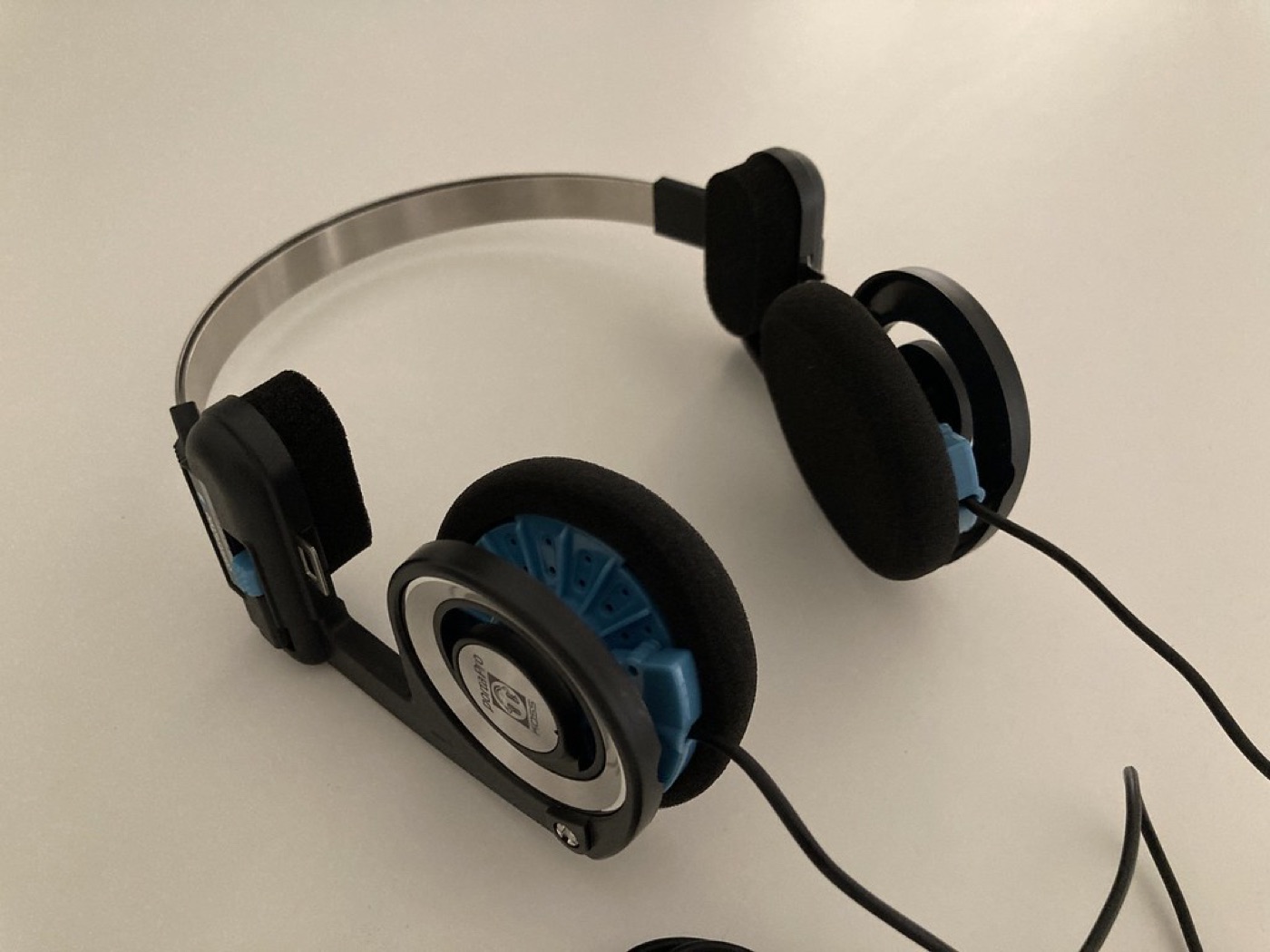
Photo: Gonaut / flickr (CC0)
Subliminal tracks and sleep affirmations are everywhere right now. The pitch is appealing: press play, go to sleep, and let hidden messages rewrite your beliefs about money, confidence or love while you rest. No effort, no discipline, just a nightly download.
If something sounds that easy, it deserves a careful look. This guide gives you one. It explains what subliminals and sleep affirmations actually are, what research on perception and sleep can and cannot support, and how to use these tools in a way that is safe, honest and still genuinely useful.
The short version: the evidence for hidden messages reprogramming your mind is weak. The practice of winding down with intention is valuable anyway. Here is how to keep the good part.
What subliminals actually are
A subliminal track hides spoken affirmations underneath something louder, usually music, rain sounds or white noise. The voice is mixed so low, sped up, or shifted in pitch that you cannot make out the words. The claim is that your conscious mind misses them while your subconscious takes them in.
Sleep affirmations are different. They are audible, usually spoken slowly in a calm voice, and designed to be played softly as you drift off. You can hear them and understand them. Some people play them for ten minutes; others leave them on all night.
Both are sold as ways to "program the subconscious." The phrase borrows from the same tradition as the SATS method and other pre-sleep practices, but with one big difference: those practices ask you to do the imagining yourself. Subliminals ask you to outsource it to a file.
What the evidence can and cannot support
It helps to separate three questions. Can the brain register things you do not consciously notice? Can hidden sentences change long-term beliefs? Can you learn while asleep?
On the first question, the answer is a modest yes. Perception research has long shown that very brief or faint cues can nudge simple, short-lived responses, such as how quickly you recognize a related word a moment later. These effects are small and fade fast.
On the second, there is no good evidence. Nothing solid shows that full sentences hidden under music can change what you believe about yourself, your finances or your worth. A sentence you cannot hear cannot be understood, and understanding is how beliefs are built. The popularity of the claim is not evidence for it.
On the third, sleep is not a blank recording state. Your brain does process sounds during lighter sleep, which is why a smoke alarm wakes you. But taking in and remembering new, meaningful content, like learning a language, is not supported for deep sleep. The main learning-related job of sleep is strengthening what you already practiced while awake.
None of this means a nightly audio habit is useless. It means the benefit comes from the ritual and from what you consciously hear, not from a hidden layer.
Where sleep affirmations can genuinely help
The real value of a sleep affirmation track is that it gives your mind one gentle thing to settle on instead of the day's worries. That is the same job a bedtime story does for a child, and it works for adults too.
A calm voice repeating "I am safe, I am learning, I am moving forward" can lower the evening mental churn and steer your last conscious thoughts toward your goal. Many people report sleeping better when their final minutes are quiet and intentional. Those final minutes, when you are drowsy but still aware, are also when the message is actually heard, which is the point.
Think of it as a spoken version of the practices in our guide to night-time rituals for the subconscious. The audio is a convenience, not a secret ingredient.
Safety and practical rules
Because these tracks are often made by strangers and played while you are unconscious, a few rules matter.
Know what is on the track. With a subliminal, you cannot hear the content by design. That means you are trusting an unknown creator with messages aimed at your mind during sleep. If you cannot verify the words, record your own instead; the exercise below shows how.
Protect your hearing. Do not sleep with earbuds at a volume you would not use for a conversation. Keep it low enough that you could hear someone speak in the room. A small speaker across the room at low volume is safer than in-ear headphones for all-night use.
Avoid tracks that promise physical changes. Audio claiming to change your body, treat a medical condition or replace medical care is making promises no sound can keep. Steer clear.
Do not listen while driving or operating anything. Relaxation audio is for bed, the couch or a quiet chair. Never for the car.
Put sleep itself first. If a track keeps you awake, wakes you in the night or makes you anxious about "missing" sessions, stop. Sleep does more for your mind than any affirmation. See our guides on theta waves and on binaural beats versus isochronic tones for related audio claims and their limits.
Keep the content kind. Affirmations that start with "I am not" or that list flaws to fix can feed self-criticism. Choose sentences that describe who you are becoming in warm, present-tense language.
How to choose or make a track
If you buy or download a ready-made sleep affirmation track, look for audible, plain-language sentences, a slow pace, no sudden volume changes, and no claims of medical or financial results. Prefer tracks that tell you exactly what they say.
Better still, make your own. A phone voice memo of your own voice reading ten sentences slowly over soft rain sounds is free, fully transparent and often more comforting than a stranger's voice. If you need sentence ideas, our morning money affirmations adapt easily to night use by softening them into "I am learning" and "I am becoming" forms.
Try this
Record your own 5-minute sleep affirmation track
- Write eight to ten short, present-tense sentences about who you are becoming. Keep them believable and warm, such as "I handle money with calm attention."
- Open the voice recorder on your phone. If you want background sound, play soft rain or a fan quietly in the room while you record.
- Read each sentence slowly, then pause for a full breath before the next. Read the whole list twice. Aim for about five minutes.
- Listen back once during the day. If any sentence feels wrong or harsh, rewrite and re-record it.
- Tonight, set your phone to play the track once at low volume from across the room as you lie down. Do not loop it all night.
- As you listen, let each sentence be the thing you rest your attention on. If you fall asleep before it ends, that is fine.
- Use the same track for two weeks, then adjust the sentences as your goals shift.
Setting honest expectations
The people who get the most from sleep affirmations treat them as a wind-down ritual, not a machine. They do not expect to wake up different. They expect to fall asleep calmer and to keep their goal in view, and over weeks that steadiness adds up in how they act during the day.
If you want more out of any audio you use, our guide to getting more from a manifestation audio covers the habits that make listening count: attention, repetition and matching action. The track alone is the smallest piece.
Keep going
Subliminals promise a shortcut that the evidence does not support. Sleep affirmations, used with your own words at a safe volume as part of a calm bedtime, offer something more modest and more real: a kinder last thought before sleep and a goal that stays familiar.
To build the rest of your evening around that, read our night-time rituals. To try the imagination-based version of the same idea, see the SATS method. And for an honest look at the brain-state claims attached to most audio, start with theta waves explained.
Questions people ask
Do subliminals work while you sleep?
There is no solid evidence that hidden messages change beliefs, awake or asleep. Sleep is not a recording state for new content. Audible, calm affirmations heard as you drift off are a reasonable wind-down habit, but their value comes from the ritual, not a hidden layer.
Is it safe to sleep with headphones on?
All-night earbud use at anything but a very low volume is hard on your ears and can be uncomfortable. A small speaker across the room at low volume is a safer choice. If you have any ear or hearing concerns, ask a professional.
How long should a sleep affirmation track be?
Five to fifteen minutes is enough. The message is only heard while you are still drowsy and aware, so a short track played once does the same job as an eight-hour loop with less risk to your sleep.
Can I make my own track with my own voice?
Yes, and it is usually the best option. You know exactly what it says, you can change it as your goals shift, and your own voice tends to feel more reassuring than a stranger's. A phone recorder and ten sentences are all you need.
Lunar Quill editorial team
We write about manifestation the way we would explain it to a friend: what the tradition says, what is actually known, and what to try tonight. No invented studies, no success stories we cannot verify, no promises.
Manifestation is a mindset practice, not a guarantee. Results vary from person to person and depend on what you actually do next. Nothing here is medical, psychological or financial advice. See the disclaimer.