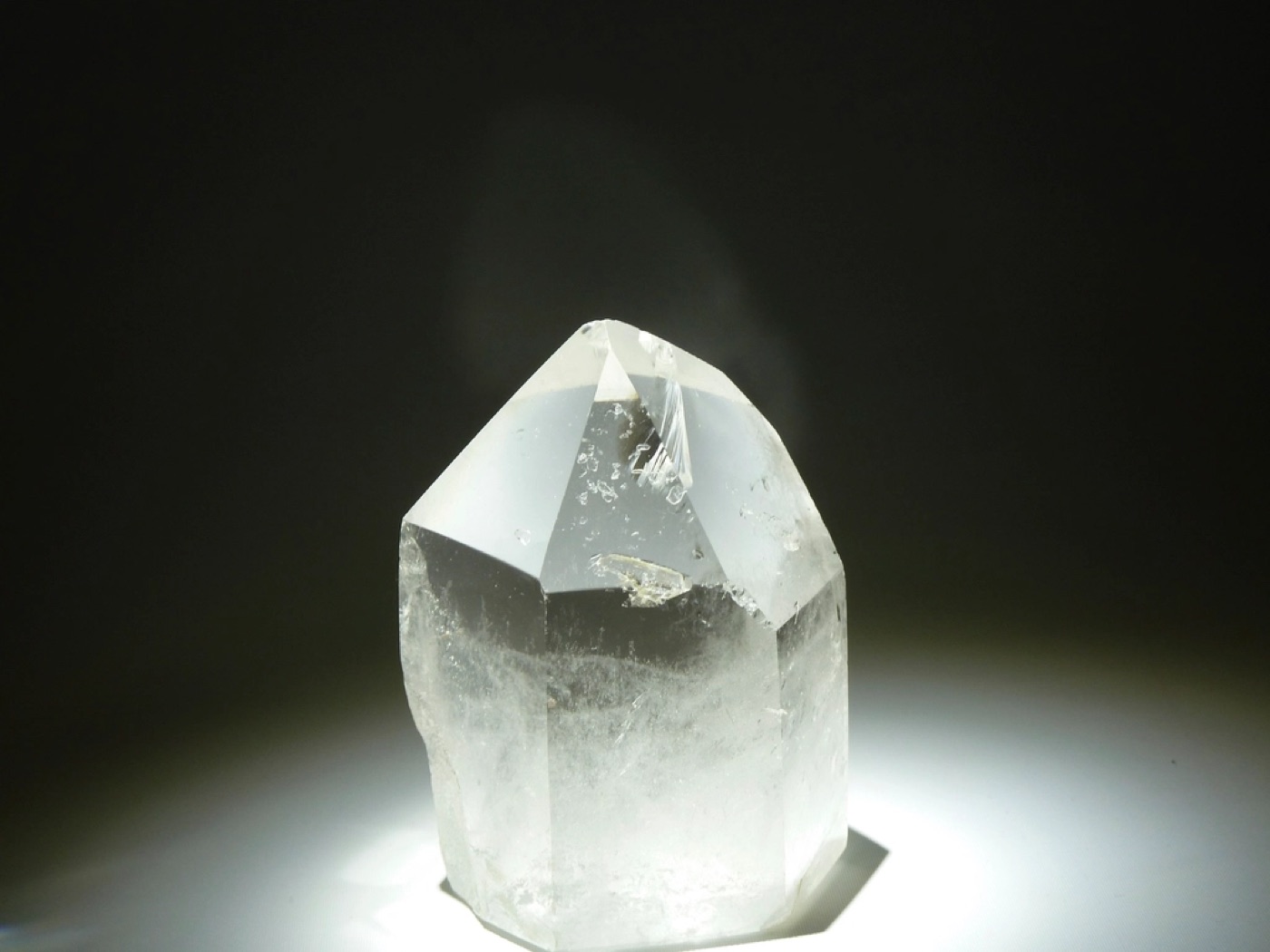
The Root Chakra and Money: Healing Your Foundation
Why yoga tradition links the root chakra to safety and money, what an unsettled root feels like, and grounding practices that steady your money mindset.

Photo: Mali Maeder / stocksnap (CC0)
You can repeat money affirmations all day, but if some part of you feels unsafe, the words bounce off. Scarcity has a physical feeling: tight shoulders, shallow breath, a restless mind that checks the bank balance three times before lunch.
In the chakra tradition, that feeling belongs to the root. This guide explains what the root chakra is, why so many teachers link it to money, and practical grounding habits you can start this week.
One thing to say plainly: chakras come from yoga and Hindu thought, not from anatomy. No scan will find one. Treat the system as a map of feelings and attention, and it can still be useful.
What the root chakra is, in the tradition
The chakra system comes from Indian spiritual traditions, especially tantric yoga texts written many centuries ago. The word chakra means wheel or disc. In the most common modern version, there are seven main chakras arranged along the spine, from the base to the crown of the head.
The root chakra is the first. Its Sanskrit name, muladhara, is often translated as "root support". Teachers place it at the base of the spine and connect it to the element of earth, the color red, and the seed sound "lam". Its themes are survival, safety, food, shelter, family and the feeling of having a right to be here.
Over the last century, Western teachers blended this map with ideas from psychology. That is where the familiar list of "root chakra issues" comes from: fear, insecurity, a scattered feeling, trouble finishing things. Those additions are modern, and it is fair to hold them lightly.
Why teachers link the root chakra to money
Money is modern survival. For most of us it stands between our family and hunger, cold or eviction. When money feels short, the body reacts the way it would to any threat: tension, worry, quick decisions, trouble sleeping.
Chakra teachers describe this as a root that is "blocked" or "underactive". You do not have to accept the energy language to recognize the pattern. When you feel unsafe, you tend to grab, hoard or freeze. You take the first job, buy the comfort item, or avoid looking at the statement. None of those moves build wealth.
The opposite pattern gets described too. A root that is "overactive" shows up as rigidity, stinginess and an attachment to things as proof of safety. Either way, the money mindset follows the body's sense of security. If that sounds familiar, our guide to money block signs goes deeper into the patterns.
Signs your foundation feels shaky
These are not diagnoses. They are feelings and behaviors that chakra teachers and ordinary money coaches both tend to notice.
- You avoid opening bills or checking balances, then feel a jolt of dread when you finally do.
- Money arrives and leaves quickly, as if holding it feels uncomfortable.
- You compare yourself to family members and feel you are "not the kind of person" who has savings.
- You feel restless at home, or you never quite settle into one place or one plan.
- Good news makes you nervous, as if the floor might drop.
If several ring true, the tradition would say your root needs tending. A plainer way to say it: your nervous system is not convinced you are safe, and your money habits are reflecting that.
Grounding practices from the tradition
The yoga tradition offers simple practices for the root. None of them need equipment, and all of them double as ordinary stress relief.
Feet on the earth. Stand or walk barefoot on grass, sand or soil for a few minutes. Notice the weight of your body pressing down. Teachers call this grounding; it is also just a pause.
Standing poses. Mountain pose, warrior poses and a simple deep squat are the classic root postures. Hold each for five slow breaths and feel the legs working.
The seed sound. Sit comfortably, breathe in, and chant "lam" on a long exhale, several times. Believers say the vibration settles the root. At minimum, long exhales calm the breath.
Red and earthy things. Many practitioners wear red, eat root vegetables or keep a red stone nearby as reminders. Our list of crystals for abundance explains how to use a stone as a focus object without expecting it to do the work.
Body scan. Lie down and move your attention slowly from the feet upward. Where the body is tight, breathe into it. A short manifestation meditation can begin this way.
Money habits that build a real foundation
Grounding practices calm the feeling. Habits change the facts. Pair them, and the root steadies much faster.
Know your numbers. Once a week, look at what came in, what went out and what is left. The first few times may feel uncomfortable; the discomfort fades as the habit grows.
Build a small cushion. Even a modest emergency fund changes how the body responds to surprises. Start with an amount that feels almost too small and let it grow.
Automate one thing. A transfer that happens without you is a decision you no longer have to make in a scared moment.
Keep the home in order. The root is about shelter. Clearing one corner, fixing one broken thing, or paying one overdue bill sends a signal of safety that affirmations alone cannot.
Speak kindly about your past. Many of us absorbed money fear from parents who had real reasons for it. Thank them for surviving and choose a different story. The beginner's guide to how to manifest money shows how to write that new story.
What to expect
Root work is slow and undramatic. People who stick with it often describe feeling less jumpy about money within a few weeks, then making better decisions because they are not deciding from panic. Nobody can promise a particular financial outcome, and results vary. What you can expect is a calmer base to build from, which is exactly what the tradition means by foundation.
Try this
A 10-minute root grounding practice
- Stand barefoot with feet hip-width apart. Press down through the heels and feel the floor push back.
- Take ten slow breaths, making each exhale longer than the inhale.
- Sink into a gentle squat or hold mountain pose for five breaths, noticing the legs.
- Sit down, place both hands on your lower belly, and say quietly: "I am safe. I am supported. I have enough for today."
- Open your banking app or statement and look at one number without judging it.
- Write down one small action that would make home or money feel one degree safer this week.
Keep going
Treat the root chakra as a useful picture of a real feeling: the need to feel safe before you can feel abundant. Ground the body, tidy the home, know the numbers, and let the calmer base do its quiet work.
For the mental side of the same work, read 9 signs you have a money block. To add a daily anchor, the gratitude practice daily system pairs well with root exercises. And when you are ready to set a clear intention, start with how to manifest money.
Questions people ask
Are chakras real?
Chakras are real as a spiritual tradition with a long history in yoga and Hindu thought. They are not physical organs, and there is no scientific evidence that they exist as energy centers. Many people still find the map useful for noticing feelings and habits.
How long does it take to balance the root chakra?
There is no fixed timeline, and teachers differ. Most suggest daily practice for a few weeks before judging. The practical money habits tend to matter at least as much as the meditation.
Can root chakra work replace a budget?
No. Grounding practices calm the feeling of scarcity; a budget changes the facts. The two work best together.
Which crystal is linked to the root chakra?
Red and black stones are the traditional choices: red jasper, garnet, hematite and black tourmaline. Use them as reminders to ground yourself, not as a source of money.
Lunar Quill editorial team
We write about manifestation the way we would explain it to a friend: what the tradition says, what is actually known, and what to try tonight. No invented studies, no success stories we cannot verify, no promises.
Manifestation is a mindset practice, not a guarantee. Results vary from person to person and depend on what you actually do next. Nothing here is medical, psychological or financial advice. See the disclaimer.