Ancient Abundance Practices From Egypt, Tibet and China
How three old cultures thought about plenty: Egypt's river and offering table, Tibet's generosity and prayer flags, China's god of wealth and lucky symbols.
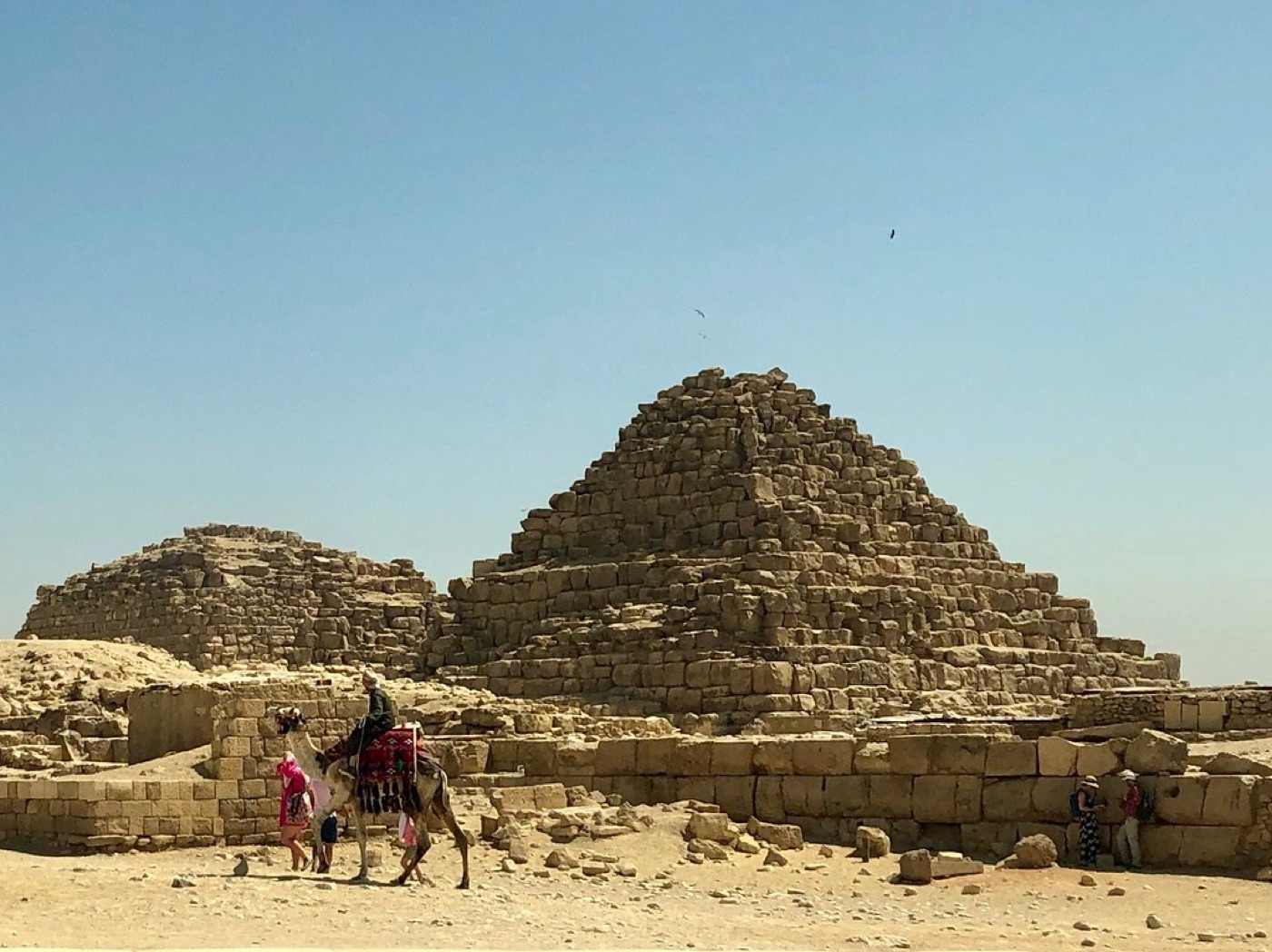
Photo: w_lemay / flickr (CC0)
Long before vision boards and affirmations, people had ways of inviting plenty into their lives. They offered food to gods, hung prayers in the wind and painted symbols of fortune on their doors. Some of those practices are thousands of years old and still alive today.
This guide looks at three cultures with rich abundance traditions: ancient Egypt, Tibet and China. It describes well-known practices and symbols as accurately as a short article can, and it does not invent secret teachings. Where something is belief rather than history, it says so.
You will not find a hidden formula here. What you will find is a surprisingly consistent set of ideas about gratitude, flow and generosity, and a way to borrow from them with respect.
What we can honestly say about old practices
Ancient cultures did not have a concept called manifestation. They had religion, farming, trade and ritual, all woven together. When we call something an "abundance practice", we are translating. The translation can be fair as long as we do not pretend that a pharaoh was practicing the law of attraction.
So the practices below are described as what they were: ways of honoring, asking, giving thanks and keeping order. Those ideas map onto modern abundance work surprisingly well, which is the real lesson.
Ancient Egypt: the river, the offering table and Ma'at
Egypt's wealth came from the Nile. Each year the river flooded and left rich black soil on the fields. The Egyptian calendar began with the flood season, called Akhet, and a good flood meant a good harvest. The flood itself was personified as the god Hapi, often shown as a well-fed figure carrying food and water plants. Offerings and hymns to Hapi asked for a generous flood, neither too low nor too high.
The offering table was central to Egyptian religion. In temples, priests presented bread, beer, meat and vegetables to the gods each day. In tombs, families left food for the dead, and tomb walls carried carved images of offerings so that, in belief, the supply would never run out. The common offering formula asked the gods to provide "bread and beer, oxen and fowl" and all good things.
Amulets were everywhere. The scarab beetle stood for becoming and renewal; the ankh for life; the Eye of Horus for protection and wholeness. People wore them, placed them in tombs and used them as seals. They were not money charms in the modern sense, but they carried hopes for wellbeing that included plenty.
Over all of it sat Ma'at, the goddess and the principle of truth, balance and right order. A person's heart was believed to be weighed against Ma'at's feather after death. Wealth was good, but wealth gained by injustice disturbed Ma'at. The idea that plenty should flow with fairness is one of the oldest in the record.
Tibet: generosity, prayer flags and the wealth deity
Tibetan Buddhism puts generosity, called dana, first among the perfections a practitioner cultivates. The logic is clear. Clinging is the problem; giving loosens it. A practitioner who gives freely is not poorer in the Buddhist view, but freer. Modern abundance teaching echoes this when it says that a generous mindset opens the hand that fear keeps closed.
Prayer flags are the most visible Tibetan practice. Five colors, often printed with the wind horse, called lungta, and with mantras, are strung across passes, rooftops and bridges. The belief is that wind carries the prayers outward for the benefit of all beings. Lungta is sometimes translated as good fortune or vital energy, and raising flags is a way of lifting it.
Prayer wheels work on a similar idea. A cylinder filled with written mantras, most often Om Mani Padme Hum, is spun by hand or by water or wind. Each turn is treated as a recitation. The mandala offering is a meditation in which the practitioner imagines offering the entire universe, with all its wealth, to the Buddhas. It is practiced precisely to loosen attachment to wealth.
Tibetan Buddhism also includes wealth deities, the best known being Dzambhala, often shown in yellow form holding a jewel-spitting mongoose. Practitioners make water offerings and recite his mantra. The traditional understanding is that the wealth sought is for the support of practice and generosity, not personal luxury, which keeps the practice consistent with the rest of the path.
China: the god of wealth, the upside-down Fu and the number 8
Chinese folk religion includes Caishen, the god of wealth, who is welcomed on the fifth day of the Lunar New Year with firecrackers and offerings. Shops and homes hang his image, and business owners in particular make a point of greeting him.
Symbols of fortune fill the home at New Year. The character Fu, meaning fortune or blessing, is pasted on doors, often upside down, because the phrase "Fu is upside down" sounds like "Fu arrives". Mandarin oranges are exchanged because their name sounds like gold. Fish appear on the table because the word for fish sounds like the word for surplus. Red envelopes carry money from elders to children, and the number 8 is prized because it sounds like the word for prosperity.
Figures and plants carry the same hopes. The three-legged money toad, often shown with a coin in its mouth, is placed near the door to attract wealth. The lucky bamboo plant is given as a gift. Jade is worn for virtue and protection. Feng shui, the practice of arranging space in harmony with flows of energy, assigns a wealth corner to the home, which our guide to the feng shui wealth corner explains in detail.
Underneath the symbols is a serious ethic. Confucian thought treats wealth as acceptable when gained righteously, and family duty, education and hard work are the honored routes to it. The symbols are reminders and hopes, not substitutes for the work.
What these traditions share
Three very different cultures, far apart in time and place, keep returning to the same handful of ideas.
| Idea | Egypt | Tibet | China |
|---|---|---|---|
| Gratitude and offering | Daily offerings to gods and the dead | Water bowls, mandala offering | Offerings to Caishen and ancestors |
| Flow, not hoarding | The yearly flood as the source of plenty | Generosity as the first perfection | Fish for surplus, money that circulates |
| Order and fairness | Ma'at, balance and right conduct | Right livelihood on the path | Confucian righteous gain |
| Symbols as reminders | Scarab, ankh, Eye of Horus | Prayer flags, wind horse | Fu character, number 8, money toad |
Notice what is missing. None of them teach that wishing alone produces plenty. All of them pair hope with giving, fairness and work. That is a useful corrective to the easier modern message, and it is why we recommend a steady gratitude practice alongside any manifestation method.
How to borrow respectfully
These are living religious and cultural traditions, not a menu. If one belongs to your heritage, learn it deeply and enjoy it. If not, borrow the principle rather than the sacred object. You do not need a prayer flag to practice generosity, or an offering table to practice gratitude.
Set a small daily act of giving. Keep one symbol that reminds you of what you value. Create a moment of thanks before you eat or before you check your accounts. Keep your gains fair and your hands open. That is the shared teaching, and it costs nothing.
Many people like to pair this with a prayer in their own tradition; our guide to prayers for abundance offers words to start with.
Try this
A simple offering-and-gratitude practice
- Choose a small bowl or plate and a place for it where you will see it each morning.
- Each morning, place one thing in it: a flower, a coin, a piece of fruit, a written note of thanks.
- As you place it, name out loud one thing you are grateful for and one way you will give today.
- During the day, do the giving: a kindness, a donation, time, attention.
- In the evening, remove the item from the bowl, thank it, and return the fruit, flower or coin to use.
- At the end of a week, write down what changed in how you felt about having and giving.
Keep going
Egypt honored the river that fed it. Tibet learned to give in order to be free. China filled the home with reminders that fortune arrives through order and effort. Together they say what the best modern teaching also says: plenty follows gratitude, flow and fairness.
For the modern version of the lucky-symbol tradition, read lucky money rituals from around the world. To bring the Chinese approach into your home, see how to activate the feng shui wealth corner. And for a writing method with its own legend attached, try the Tesla 369 method.
Questions people ask
Did ancient Egyptians practice manifestation?
Not in the modern sense. They practiced religion: offerings, prayers, amulets and a strong ethic of balance called Ma'at. Some of those ideas map onto modern abundance work, but the Egyptians would not have recognized the term.
Is it appropriate to use Tibetan prayer flags for money?
Prayer flags are a religious practice meant to benefit all beings, not a personal money tool. If you are not a practitioner, consider borrowing the principle of generosity rather than the object, or learn the practice properly from a teacher.
Which Chinese symbol is most associated with wealth?
The character Fu, the god of wealth Caishen, the number 8 and the money toad are all common. Red envelopes at New Year are the most widely practiced custom.
Do these practices actually bring money?
There is no evidence that any symbol or ritual changes income on its own. What these traditions share is a pairing of hope with generosity, fairness and work, and that combination tends to serve people well.
Lunar Quill editorial team
We write about manifestation the way we would explain it to a friend: what the tradition says, what is actually known, and what to try tonight. No invented studies, no success stories we cannot verify, no promises.
Manifestation is a mindset practice, not a guarantee. Results vary from person to person and depend on what you actually do next. Nothing here is medical, psychological or financial advice. See the disclaimer.