Feng Shui Wealth Corner: How to Activate It
Find your home's wealth corner using the Bagua map, learn what tradition says to place there, and set it up in an evening without buying much.
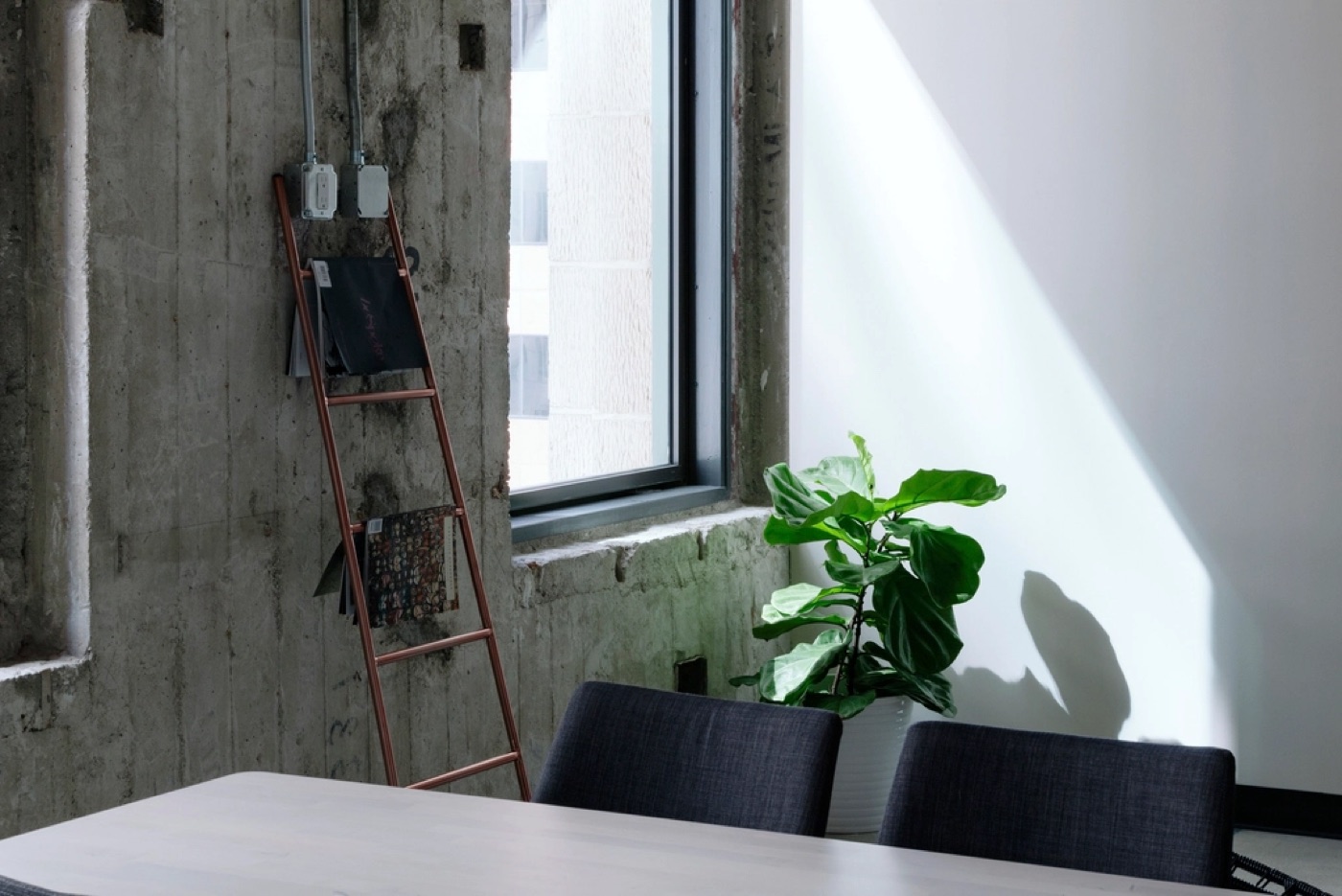
Photo: rawpixel (CC0)
If you have ever searched "feng shui for money," you have met the wealth corner. It is the single most popular idea in home feng shui: one area of your home that tradition links to prosperity, and that you can tidy, light and decorate with intention.
This guide shows you how to find it using the Bagua map, what traditional feng shui says belongs there (and what does not), and a simple way to set it up in an evening. We also cover the common mistakes that turn a wealth corner into a cluttered shelf.
A note on framing. Feng shui is an old Chinese tradition about arranging space so that energy, called chi, flows well. Many people find it a beautiful and useful way to think about home. There is no scientific evidence that a corner of your living room affects your bank account. Treat the practice as a way to focus your attention on abundance, and keep your expectations kind. Results vary.
What the Bagua map is
The Bagua is a grid of nine areas, each linked in feng shui tradition to a part of life: career, knowledge, family, wealth, fame, relationships, children, helpful people and health in the center. There are two main schools for placing it. The compass school uses actual directions; the Western or "Black Hat" school lays the grid over your floor plan from the front door. This guide uses the Western method because it needs no compass and is the one most people in the US learn first.
In that method, you stand at your main entrance, facing into the home. The grid's bottom row is the wall with the door. The wealth area sits in the top-left square: the far-left corner of the home from where you stand.
If you want to read how this fits into older traditions, our guide to ancient abundance practices covers the Chinese roots alongside Egyptian and Tibetan ideas.
Find your wealth corner
- Stand at your front door, inside, facing the room.
- Picture the home divided into a three-by-three grid.
- The far-left square, farthest from you and on your left, is the wealth area.
- If your home is L-shaped and that corner is "missing," use the same method on your main living room or bedroom instead.
- You can also apply the grid to a single room (stand at its door) or to your desk (sit at it and look at the far-left corner).
Most people find that their wealth corner is already something: a bookshelf, a chair, a pile of coats, a bathroom. Tradition has opinions about each, which we will get to. The first step is simply to know where it is.
What tradition says to place there
The wealth area is linked to the wood element, which is fed by water in the five-element cycle. That gives a short list of traditional "activators."
- A healthy, living plant. Tradition favors rounded, upward-growing leaves. Jade plants and money trees are the classic picks, but any plant you can keep alive is better than a famous one you cannot.
- The colors purple, green and gold. A cushion, a throw, a frame. Purple is the traditional wealth color; green is wood; gold suggests metal and coin.
- Moving water. A small tabletop fountain, or an image of flowing water, is said to feed the wood element. Still, stagnant water is not favored.
- Symbols of abundance you personally respond to. A bowl of coins, a figure, a photo of a goal. The point is that it means "plenty" to you.
- Good light. A lamp or a window. Dark corners are said to hold stagnant chi.
- Crystals. Citrine and pyrite are traditional choices; our guide to crystals for abundance explains how fans use them and what to expect.
You do not need all of these. One living plant, one touch of color and one meaningful object is a complete wealth corner.
What to keep out
Tradition is just as clear about what weakens the area.
- Clutter and storage. Piles of mail, laundry baskets and "I'll deal with it later" boxes are said to block flow.
- Broken or dead things. A dying plant, a cracked vase, a clock that stopped. Repair or remove.
- Trash cans. If the bin lives in your wealth corner, move it, or at least keep it lidded and clean.
- Too much fire. Candles and red are fire element, which "burns" wood in the cycle. A single candle is fine; a shrine of them is not.
- Reminders of lack. Overdue bills, a jar for "someday," images that make you feel behind.
If your wealth corner is a bathroom, tradition says to keep the door closed, the lid down and the room clean and bright. Many practitioners add a plant. That is the whole fix; do not panic about it.
Activating it with intention
The physical setup matters less than what you do with it. Once the corner is clean and arranged, use it as a daily touchpoint.
Stand in front of it each morning for thirty seconds. Water the plant. Straighten the object. Say one line of intention in the present tense: "Money comes to me with ease and I handle it well." It is the same idea as scripting, done standing up. You can pair the corner with the money practices in how to manifest money, which is where the actual planning lives.
Many people also like to place a written goal in the corner, folded under the plant or tucked into a frame. Rewrite it on each new moon if you enjoy a lunar rhythm.
Common pitfalls
- Buying before clearing. A new fountain on top of old clutter is just more clutter.
- Treating it as a vending machine. The corner does not pay bills. It reminds you of your intention so that you do.
- Copying a photo from the internet. Use objects that mean abundance to you, not someone else's shelf.
- Forgetting the rest of the house. Tradition says chi needs a clear path from the front door to reach the corner at all.
Try this
Set up your wealth corner in one evening
- Stand at your front door facing in and locate the far-left corner.
- Remove everything from that spot and wipe the surfaces clean.
- Return only what is whole, loved and useful. Fix or recycle the rest.
- Add one healthy plant, one touch of purple, green or gold, and one object that means "plenty" to you.
- Make sure there is light: a lamp, a candle (just one) or an open blind.
- Write your money intention as one present-tense sentence and tuck it under the plant.
- Tomorrow morning, stand there for thirty seconds and say it aloud.
Keep going
The wealth corner is one piece of a bigger picture. Our 10 home changes to invite abundance covers the entrance, the kitchen and the bedroom, which tradition treats as just as important. If you enjoy ritual, lucky money rituals from around the world shows how other cultures mark abundance at home. And for the practical side of money, how to manifest money connects intention to budgets and action.
Tonight: find the corner, clear it, add one plant. Everything else is extra.
Questions people ask
What if my wealth corner is a closet or a bathroom?
Keep it clean, tidy and lit, and close the door. Tradition suggests a small plant or a touch of green. Then apply the Bagua to your living room or bedroom as well and set up the corner there.
Do I need to buy a money tree or a fountain?
No. Any healthy plant you can care for works, and an image of water is a fine stand-in for a fountain. Spending money to attract money is a trap many beginners fall into.
Which school of feng shui is right, compass or Western?
Both are living traditions with their own followers, and neither has scientific backing. The Western method is simpler to start with. If you later learn the compass method and prefer it, you can switch.
How long before I see results?
There is no evidence of a timeline, and results vary. The useful measure is whether the corner reminds you daily of your intention and whether that leads to better money habits. Judge it by your actions, not by your mailbox.
Lunar Quill editorial team
We write about manifestation the way we would explain it to a friend: what the tradition says, what is actually known, and what to try tonight. No invented studies, no success stories we cannot verify, no promises.
Manifestation is a mindset practice, not a guarantee. Results vary from person to person and depend on what you actually do next. Nothing here is medical, psychological or financial advice. See the disclaimer.