Lucky Money Rituals From Around the World
From red envelopes and twelve grapes to a coin baked in cake, a tour of real folk traditions people use to invite money and luck, and what they share.
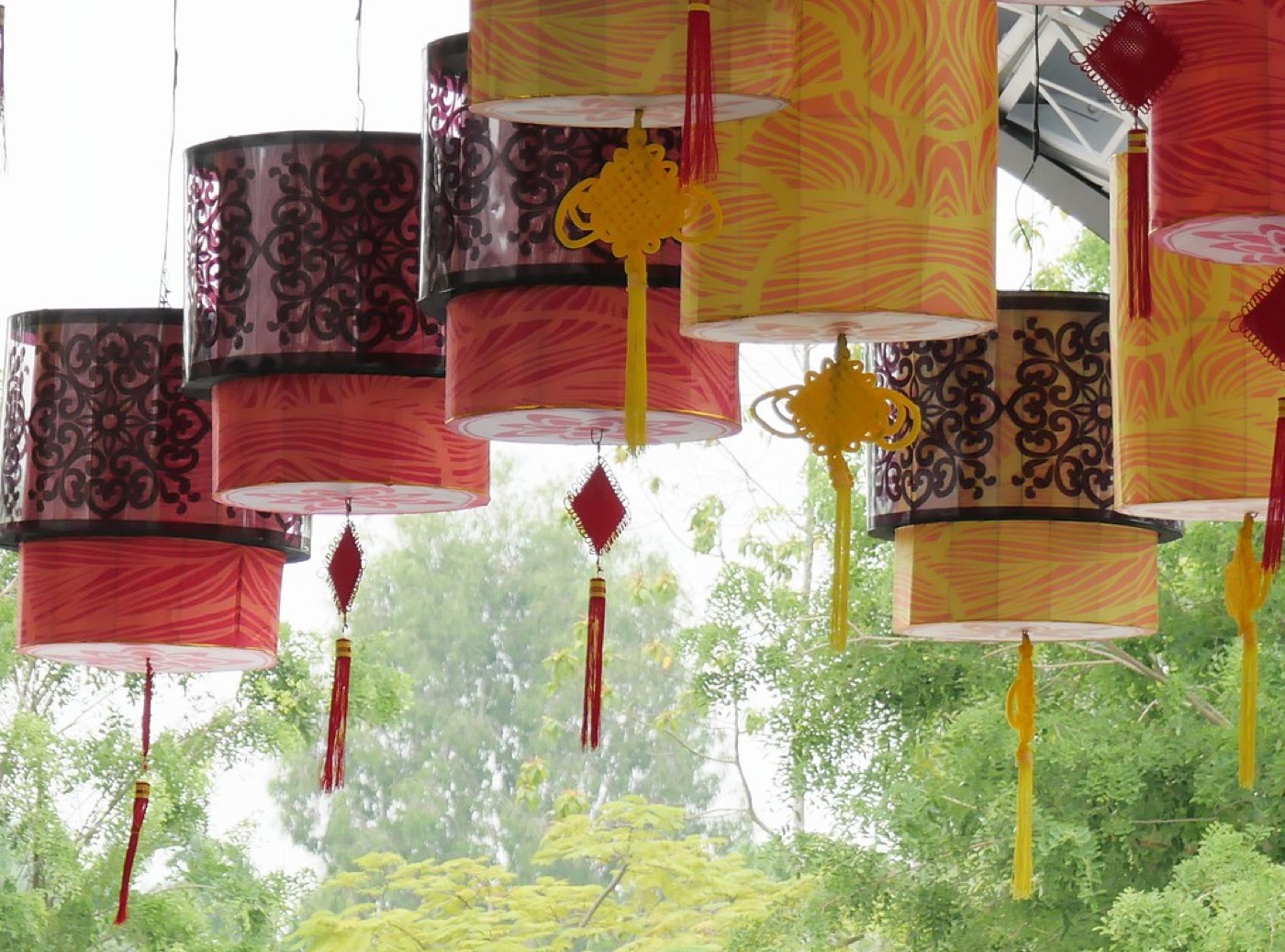
Photo: GeorgeTan#2...INACTIVE NOW / flickr (PDM)
Almost every culture has a way of welcoming money and luck, and most of them cluster around the same moment: the turn of the year. Grapes are swallowed at midnight in Madrid. A coin is hidden in a cake in Athens. A tall, dark-haired visitor is hoped for in Edinburgh.
None of these customs come with evidence that they change anyone's finances. They are folk traditions, passed down because they are fun, hopeful and bring people together. That is reason enough to know them.
This guide tours well-known lucky money rituals from East Asia, Europe, Latin America and the United States, describes them as accurately as we can, and ends with what they have in common and how to design a ritual of your own.
Why so many rituals cluster around the New Year
A new year is a natural threshold. Whatever happened before can be set down, and whatever comes next has not been decided. Traditions from very different places use that moment the same way: clean the house, pay the debts, eat something symbolic, and welcome the first luck of the year with care.
Chinese households traditionally clean thoroughly before Lunar New Year to sweep out the old year's bad fortune, and then avoid sweeping on New Year's Day itself so the new luck is not swept away. Scottish Hogmanay has a similar spirit: settle debts and clear the house before midnight. The practical lesson underneath is simple. A fresh start feels better when the slate is clean.
East Asia: red envelopes, lucky bamboo and the beckoning cat
Red envelopes. During Lunar New Year, Chinese families give money in red envelopes, called hongbao in Mandarin and lai see in Cantonese. Elders and married adults give them to children and unmarried relatives. The red color stands for luck and protection, and the amount often avoids the number four, which sounds like the word for death, while favoring eight, which sounds like prosperity. Crisp new bills are preferred.
Lucky bamboo. The plant sold as lucky bamboo is actually a type of dracaena, but it has become a popular gift and home plant linked to good fortune. The number of stalks is said to matter, with different counts for wealth, happiness and long life. It is a feng shui favorite, which our guide to the feng shui wealth corner covers.
The beckoning cat. Japan's maneki-neko is the ceramic cat with one raised paw that sits in shop windows across Asia and beyond. A raised left paw is commonly said to invite customers, a raised right paw to invite money, and many cats hold a gold coin. The figure dates back to the Edo period and remains one of the most recognizable luck symbols in the world.
New Year money for children. In Japan, children receive otoshidama, small envelopes of money, at New Year. Korea has a similar custom, sebaetdon, given after children bow to their elders.
Southern Europe: twelve grapes, lentils and a coin in the cake
Twelve grapes. In Spain, people eat twelve grapes at midnight on New Year's Eve, one for each chime of the clock, one for each month ahead. Finishing all twelve in time is said to bring a lucky year. The custom spread to much of Latin America and is now a familiar sight at midnight gatherings far from Madrid.
Lentils in Italy. Italians traditionally eat lentils on New Year's Eve, often alongside a pork sausage called cotechino or a stuffed trotter called zampone. The small round lentils look like coins, and eating plenty of them is meant to invite plenty of money. Red underwear on New Year's Eve is another well-known Italian custom for luck.
The vasilopita. In Greece, a sweet bread or cake called vasilopita is baked with a coin hidden inside and cut on New Year's Day, which is also the feast of Saint Basil. Slices are cut in a set order, usually one for the house, then family members from oldest to youngest. Whoever finds the coin is said to have good luck for the year. Some Greek families also smash a pomegranate at the doorstep, with scattered seeds standing for abundance.
Latin America: yellow underwear, lentils and a suitcase
Yellow for money. Across much of Latin America, wearing yellow underwear on New Year's Eve is meant to bring money in the coming year, while red is for love. The custom is widespread in Mexico, Colombia, Peru and elsewhere, and the underwear is often given as a gift so the luck comes from someone else.
Lentils in the pocket. Lentils appear here too. Some people eat a spoonful at midnight; others carry a handful in a pocket or purse through the first day of the year as a wish for plenty.
Walking the suitcase. In Colombia and Mexico, people who want a year of travel take an empty suitcase and walk it around the block at midnight. It is a ritual about movement rather than money, but it shows the same idea: act out the future you want.
White and seven waves. In Brazil, wearing white on New Year's Eve stands for peace and a clean start, and many people on the coast jump seven waves at midnight, making a wish on each one. The custom is linked to offerings to Iemanja, the sea goddess of Afro-Brazilian religions.
Northern Europe: first-footing, pigs and chimney sweeps
First-footing. In Scotland, the first person to cross your threshold after midnight on Hogmanay sets the luck for the year. Tradition favors a tall, dark-haired man, and the first-footer should not arrive empty-handed. Traditional gifts include coal for warmth, shortbread or black bun for food, salt and whisky. The visitor is welcomed with a drink in return.
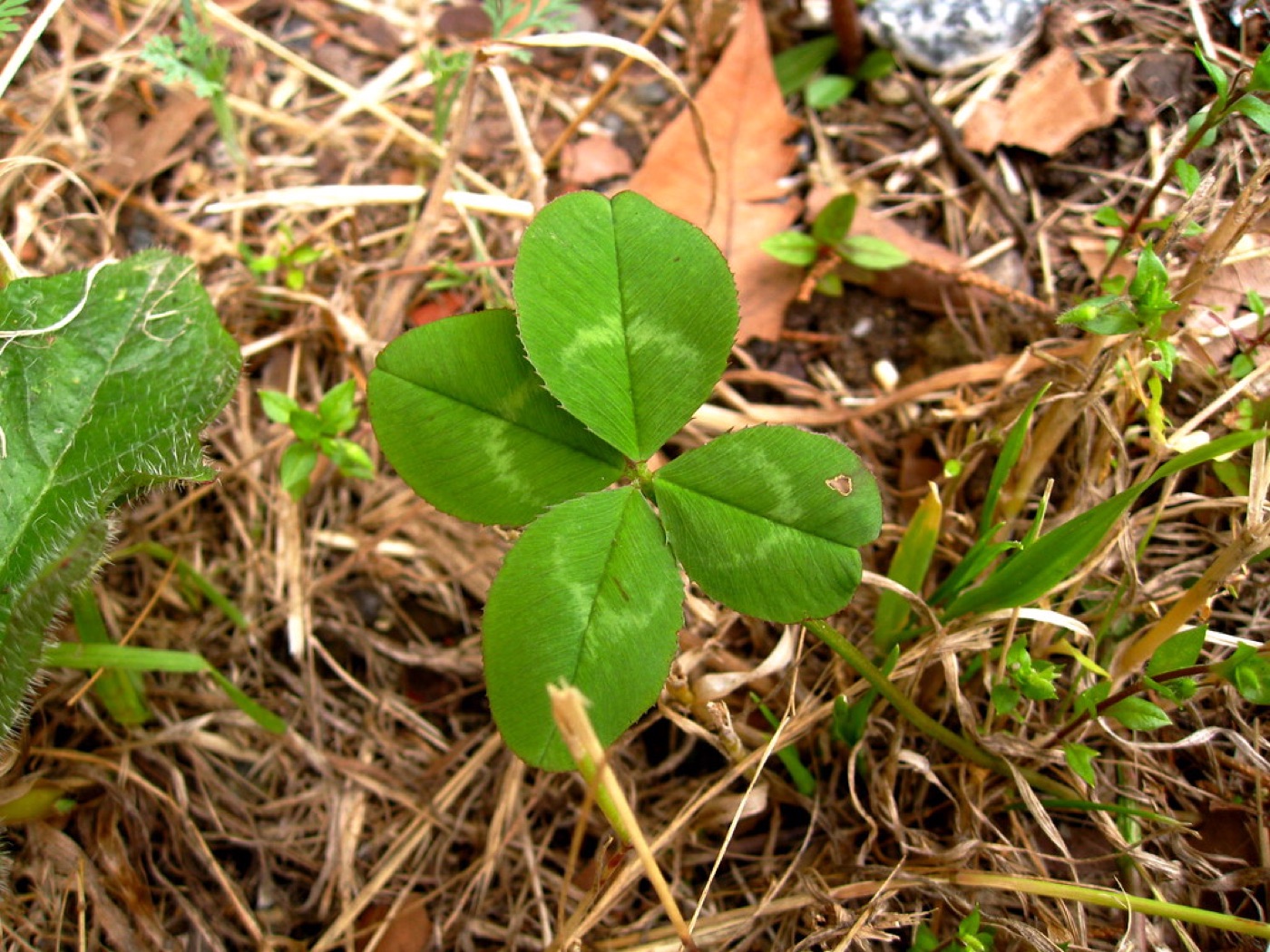
Lucky pigs and clover. In Germany and Austria, the pig is a symbol of good fortune, and small marzipan pigs are exchanged at New Year along with four-leaf clovers and tiny figures of chimney sweeps, who are considered lucky. A "lucky penny" is often pressed into the marzipan.
The American South: black-eyed peas and greens
On New Year's Day in the American South, many families eat black-eyed peas and collard greens, often with cornbread. The peas stand for coins, the greens for folded bills, and the cornbread for gold. The dish called Hoppin' John combines the peas with rice and pork. The tradition is especially strong in African American and Southern families and has spread well beyond the region.
What these rituals have in common
Line them up and a pattern appears. Nearly every custom includes:
- A clean threshold. A tidied home, settled debts, or a carefully chosen first visitor.
- A symbol of plenty. Round foods that look like coins, the colors red, gold and yellow, or a plant that grows fast.
- A shared moment. Family, neighbors and friends present at the same time.
- A wish spoken or acted out. Twelve grapes, seven waves, a suitcase around the block.
None of this promises anything, and results vary wildly, which is to say they are mostly chance. But the rituals do something real. They stop you for a moment, invite you to decide what you hope for, and surround you with people doing the same. That pause is the ingredient worth keeping, and it is exactly what a new moon manifestation ritual offers on a monthly cycle rather than a yearly one.
How to borrow respectfully
You do not need to adopt another culture's custom wholesale. If a tradition belongs to your own heritage, enjoy it fully and learn its story. If it does not, take the structure instead: a threshold, a symbol, a gathering, a wish. Build something that fits your own home and the people in it. Our list of home changes that invite abundance has ideas for the symbol part.
Try this
Design your own money ritual
- Choose your threshold: New Year, a birthday, the first of each month or a new moon.
- Pick one cleaning task that signals a fresh start, such as clearing your desk or paying one overdue bill.
- Choose a symbol of plenty you can eat, wear or display: a bowl of lentils, something yellow, a plant.
- Invite at least one other person to share the moment, in person or by call.
- Write one sentence stating what you hope the next period brings and read it aloud.
- Do one small action that moves toward that hope before the day ends.
Keep going
Lucky money rituals are human, hopeful and old. They will not change your bank balance by themselves, but they can give you a yearly reason to clear the slate, name a wish and act. That is a habit worth keeping.
To turn the ritual spirit into daily practice, see how to become luckier. For the home symbols many of these customs use, read about the feng shui wealth corner. And for a gentler monthly version, try a new moon manifestation ritual.
Questions people ask
Do lucky money rituals actually work?
There is no evidence that any of them change financial outcomes. They are folk traditions kept for hope, fun and community. The useful part is the pause they create to reset and decide.
Is it disrespectful to use a ritual from another culture?
It depends on how you do it. Learning the story and joining in with people who hold the tradition is usually welcome. Copying the surface while ignoring its meaning is where people tend to object. When in doubt, borrow the structure rather than the symbol.
What is the most common theme across these customs?
Food shaped like coins and a clean, fresh start. Lentils, grapes, black-eyed peas and coins in cake all appear in different countries, and nearly every tradition involves tidying up or settling debts before the new year.
Can I do a money ritual at a time other than New Year?
Yes. Any threshold works: a birthday, the first of the month, a new moon or a new job. The point is a clear line between old and new.
Lunar Quill editorial team
We write about manifestation the way we would explain it to a friend: what the tradition says, what is actually known, and what to try tonight. No invented studies, no success stories we cannot verify, no promises.
Manifestation is a mindset practice, not a guarantee. Results vary from person to person and depend on what you actually do next. Nothing here is medical, psychological or financial advice. See the disclaimer.