The Pineal Gland in Spiritual Traditions: Beliefs vs Science
The pineal gland is called the third eye, the seat of the soul and a DMT factory. Here is what it actually does, and where belief begins.
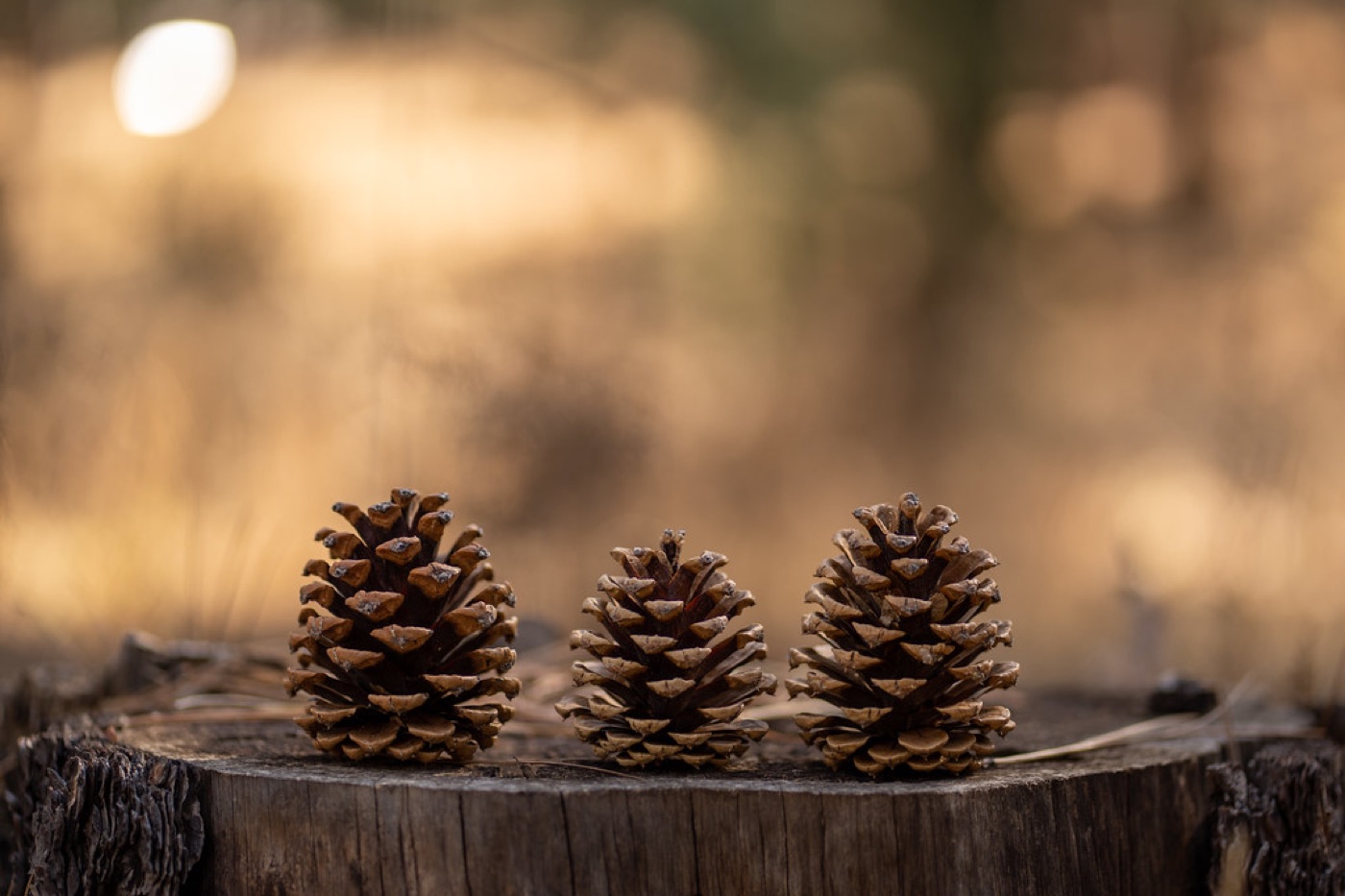
Photo: joncutrer / flickr (CC0)
Search for the pineal gland online and you will find two very different worlds. In one, it is a tiny gland that helps regulate your sleep. In the other, it is the third eye, a gateway to higher awareness, something to "decalcify" and "activate" with special diets and sounds.
Both worlds use the same words, which makes it hard to know what you are actually reading. This guide pulls them apart. First, what is known about the gland from medicine and biology. Then, what the traditions say and why they say it. Finally, what you can realistically do with all of this if you are drawn to the spiritual side.
You do not have to choose between curiosity and honesty. You can hold both.
What the pineal gland is
The pineal gland is a small endocrine gland, roughly the size of a grain of rice, sitting near the center of the brain between the two hemispheres. Its name comes from its shape, which early anatomists thought looked like a tiny pinecone. Unlike most of the brain, it is not split into left and right halves.
Its main known job is to produce melatonin, a hormone tied to your body's day-night rhythm. Light reaching the eyes sends a signal along a pathway to the gland, and that signal keeps melatonin low. When it gets dark, the signal eases and melatonin rises, which is one reason you feel sleepy at night and groggy under bright screens.
With age, small calcium deposits often build up in the gland. This is common enough that radiologists use the bright spot as a landmark on scans. What the deposits mean for the gland's function is not fully understood, and "common" is not the same as "harmful."
What the gland does, in plain terms
Think of the pineal gland as part of your internal clock system rather than the clock itself. The main timekeeper sits elsewhere in the brain. The pineal gland takes the clock's signal and turns it into a hormone the rest of the body can read.
This matters for anyone interested in sleep, mood and routine. Bright light late at night, especially from phones and overhead bulbs, delays the rise of melatonin. Dim evenings and bright mornings help the rhythm stay steady. That is the most practical, well-supported thing you can do "for your pineal gland," and it costs nothing. Our guide to night-time rituals for the subconscious builds on this.
The third eye in spiritual traditions
In yogic tradition, the ajna chakra is described as an energy center located between the eyebrows, associated with intuition, inner vision and clarity. Many modern teachers link the ajna center to the pineal gland because both sit roughly in the middle of the head. This link is a belief, not an anatomical finding; the chakra system describes subtle energy, not tissue.
The seventeenth-century philosopher René Descartes famously proposed that the pineal gland was the "seat of the soul," partly because it seemed to be the one unpaired structure in the brain. That idea did not survive as science, but it helped give the gland its mystical reputation in the West.
Believers also point to pinecone imagery in ancient art, from staffs in Egyptian and Mesopotamian carvings to the large bronze pinecone sculpture in the Vatican. Some see these as hidden references to the gland. Historians generally read them as fertility and eternity symbols. Both readings exist; only one is a belief about anatomy.
The big modern claims, examined
"The pineal gland produces DMT." DMT is a naturally occurring psychedelic compound. Some researchers have looked for it in animal brain tissue, and the question of whether the human pineal makes meaningful amounts remains open. There is no solid evidence that it does, or that ordinary meditation triggers a release of it. The idea is popular; it is not established.
"Fluoride calcifies your third eye." Calcification happens, and some popular writers blame fluoride for it. The evidence for that specific cause is weak, and there is no evidence that changing your toothpaste or water changes how you think or feel spiritually. If you have questions about fluoride, those belong with a dentist or doctor, not a supplement page.
"You can decalcify it with this diet, sound or supplement." There is no proven protocol for removing pineal deposits, and no proof that removing them would do anything. Be careful with anything sold as an "activator," and talk to a medical professional before taking new supplements. The sound side of this trend overlaps with the frequency world; see our honest take on 528 Hz and manifestation.
"Opening the third eye gives you visions." Many people report vivid imagery, insight or a sense of calm during focused meditation. That experience is real to the person having it. Whether it involves the pineal gland is unknown, and there is no measurement that links the two.
What you can actually do with this
If you are drawn to the third-eye tradition, you do not need to accept unproven biology to get something from the practice. Three things hold up.
Protect darkness and light. Dim your home in the last hour before bed and get outdoor light in the morning. This supports the one job the gland definitely has. Treat it as caring for your rhythm rather than unlocking a portal.
Use the "third eye" as a point of focus. Resting attention gently at the space between the eyebrows is an old concentration technique. It gives a wandering mind one place to return to. You can practice it exactly as a believer would while thinking of it as attention training; the method is the same. Our beginner guide to manifestation meditation teaches the basics.
Treat the drowsy state as useful, not magical. The sleepy minutes before you drift off are when many people find it easiest to picture a goal with feeling. That has more to do with a quiet mind than with any gland, and it is the heart of practices like the SATS method and the brain-state ideas in theta waves explained.
Try this
A 12-minute evening third-eye practice
- One hour before bed, switch off overhead lights and use a single dim lamp. Put your phone face down in another room.
- Sit comfortably with your back supported and close your eyes. Breathe slowly through your nose for ten breaths.
- Rest your attention lightly at the space between your eyebrows. Do not strain or roll your eyes upward; just let the area be the place your mind returns to.
- When thoughts pull you away, notice them without judgment and come back. Do this for about eight minutes.
- For the last two minutes, picture one goal as a short, calm scene, as if it were already true tonight.
- Open your eyes slowly, keep the lights low, and head to bed. Repeat nightly for two weeks and note any changes in sleep or calm.
A fair way to hold belief and science
You can respect a tradition without claiming it is anatomy. The yogic teachers who described the ajna center were describing experience, and the experience of inner stillness is available to anyone who sits long enough. Modern biology describes a melatonin gland that answers to light. These are two different maps of two different things, and neither one needs to be wrong for the other to be useful.
The problems start when the maps are mixed to sell something. "Decalcify your third eye in 7 days" uses a medical word to make a spiritual promise. Keep your guard up when a page does that, and keep your curiosity for the practices that cost nothing: darkness, quiet and attention.
Keep going
The pineal gland is a real, small, light-sensitive gland with a big reputation. What is known is modest. What is believed is vast. You can enjoy the practices around the "third eye" as attention training, use the real science to sleep better, and leave the unproven claims on the shelf.
To go deeper on the brain side, read how your brain filters reality, which explains why focus practices change what you notice. If evening practice appeals to you, the SATS method and our night-time rituals give you a complete routine.
Questions people ask
Is the pineal gland really the third eye?
Not in any measurable way. The third eye is a concept from yogic and other traditions describing intuition and inner vision. The pineal gland is a melatonin-producing gland. Many people link them because of location, but the link is a belief, not a finding.
Does meditation activate the pineal gland?
There is no evidence that meditation changes the gland itself. Meditation can change how calm and focused you feel, and that experience is real. Enjoy it for what it is without needing a biological story to go with it.
Should I worry about pineal calcification?
Calcification is common with age and is usually considered a normal finding on scans. If a scan report concerns you, ask the doctor who ordered it. No diet or supplement has been shown to reverse it, and claims that it blocks spiritual growth are not supported.
What is the one thing I can do that actually helps?
Keep evenings dim and mornings bright. That supports melatonin and your sleep rhythm, which is the gland's known job. Everything else in this topic is optional practice or belief.
Lunar Quill editorial team
We write about manifestation the way we would explain it to a friend: what the tradition says, what is actually known, and what to try tonight. No invented studies, no success stories we cannot verify, no promises.
Manifestation is a mindset practice, not a guarantee. Results vary from person to person and depend on what you actually do next. Nothing here is medical, psychological or financial advice. See the disclaimer.